
Why You Need a Trauma Kit Before You Need Your Gun
If you carry a gun, you’re already planning for the worst moment of your life. The reality is that the first life-or-death problem you meet is more likely to be bleeding than a gunfight.
A trauma kit is what bridges the gap between “Call 911!” and “Help is actually here.”

Why A Trauma Kit Belongs With Your Everyday Carry
A trauma kit is built for one job. It stops life-threatening bleeding as fast as possible. It’s different from a basic first aid kit. Band-Aids and pain relievers are fine for minor problems. Trauma tools are meant for injuries that can kill someone in minutes.
People who carry guns already accept extra responsibility. Adding a trauma kit to your everyday carry setup extends that responsibility to whatever comes after the shot, the crash, the fall, or the accident.

How Bleeding Control Buys Time Before EMS Arrives
Uncontrolled bleeding can become fatal in just a few minutes. In many places, EMS response takes longer than that.
The person standing closest to the injury is often the only one who can make a difference in time.
Modern civilian training programs like STOP THE BLEED are built on trauma care principles used in Tactical Combat Casualty Care. They teach simple actions anyone can perform, such as applying a tourniquet, packing a wound, sealing a chest, and holding pressure until professionals arrive.
But those skills work only if the correct tools are already within reach.

What Should A Basic Trauma Kit Include?
You don’t need a full aid bag to make an impact. A compact trauma kit focused on bleeding control can ride in a bag, glove box, range bag, or on your belt.
Common items in a practical trauma kit can include:
- A quality tourniquet designed for arms and legs
- Compressed or hemostatic gauze for wound packing
- An elastic or pressure bandage for securing dressings
- Chest seals for penetrating chest injuries
- Trauma shears for cutting away clothing
- Gloves and a simple barrier for personal protection
The exact brands and models are up to you, but the goal is simple: carry tools that are proven, recognizable, and familiar to trainers and EMS.

Why Everyday Carriers Face More Medical Emergencies Than Gunfights
Defensive gun use is rare compared to injuries you see in everyday life. Car wrecks, power tool accidents, cuts, falls, and range mishaps are all more common than drawing in self-defense. In many of those situations, the person who steps in will be the one who is calm, prepared, and carrying both equipment and a plan.
A firearm can stop a threat. A trauma kit can keep someone alive afterward. Both matter, and both point to the same mindset of being ready before something happens, not after.

How Trauma Kits Fit Into Range And Training Days
Most people spend far more time training than fighting. That means gun-related injuries can happen on the range, in a class, or while handling firearms at home. Instructors and well-run ranges keep trauma kits on hand for a reason. They know that accidents are rare but possible, and that seconds count.
For personal use, it’s smart to treat a trauma kit the same way you treat ammo and eye and ear protection. If your gun and holster are going to the range, a trauma kit should go too.
The Responsibility Mindset Beyond The Draw
Carrying a concealed firearm isn’t just about stopping bad people. It is about protecting life. That includes your family, friends, students, and bystanders. Being able to stop bleeding is part of that responsibility.
A trauma kit is the only piece of carry gear that can save a life without any shots being fired. It is a quiet, low-profile way of saying you are serious about the complete picture of personal protection, not just the shooting part.

Putting It All Together With Your Carry Setup
Putting a trauma kit next to your firearm is not about fear. It is about being honest with what actually happens in the real world. The most likely emergency you encounter is someone badly hurt and bleeding while you wait for help that is still minutes away.
You have already chosen a reliable gun and a dependable holster. You already think about concealment, comfort, and access. The next smart step is to add medical tools to that setup and get basic training, so you know how to use them.
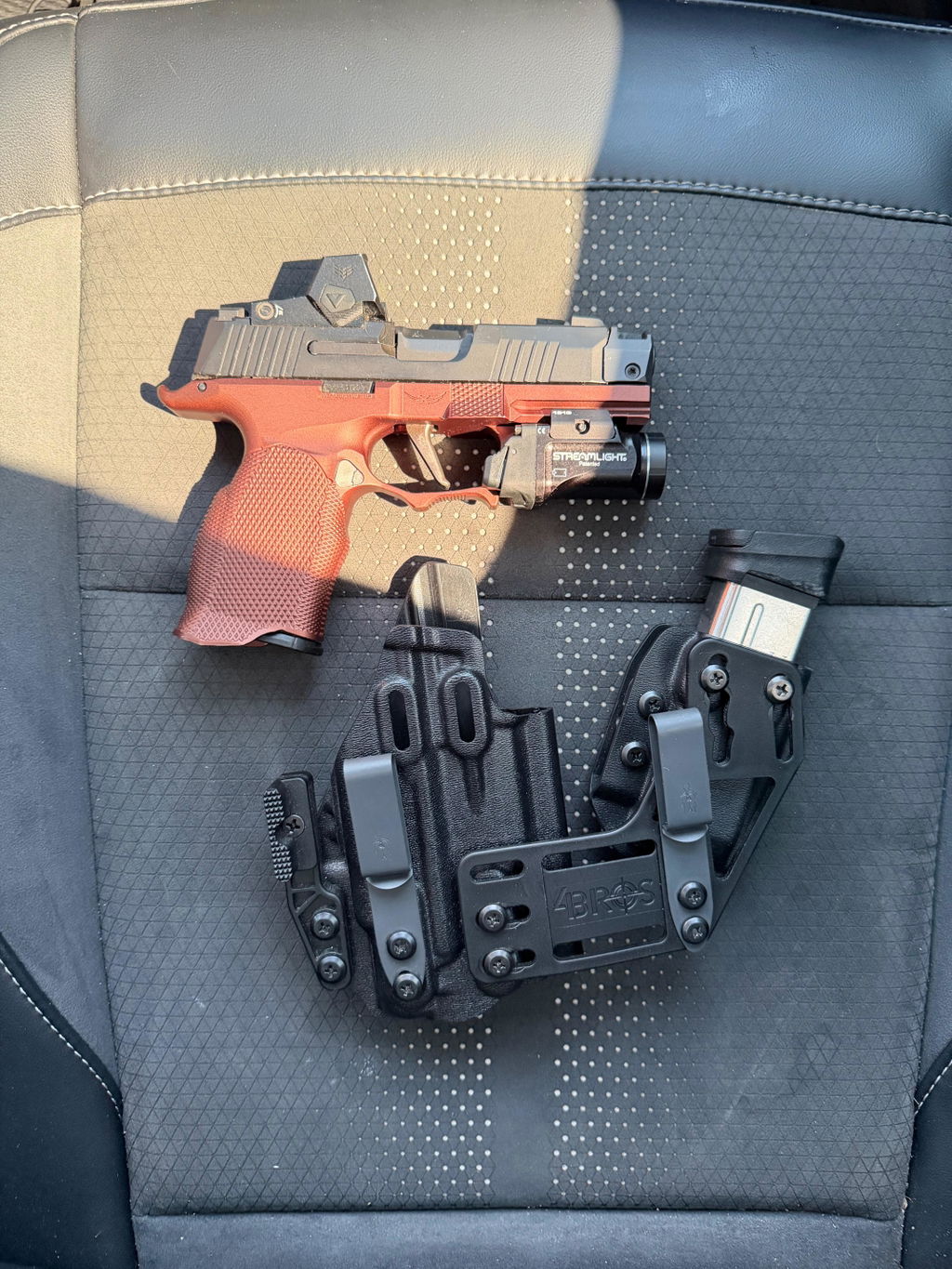
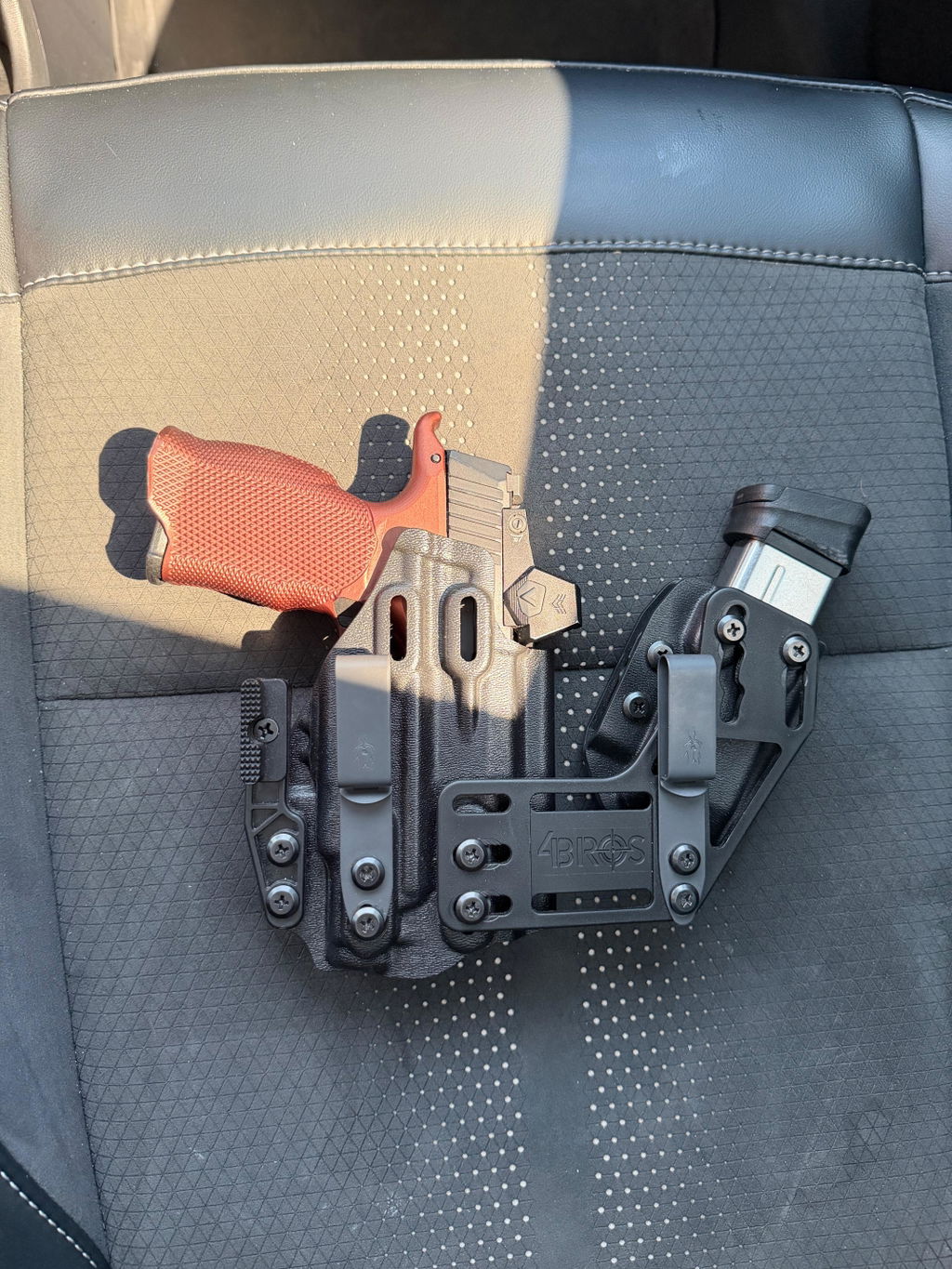
When you dial in your everyday carry, your holster is the part that keeps everything where it needs to be. 4Bros Holsters focuses on that piece so you can carry with confidence, train hard, and build out the rest of your kit around gear you trust.