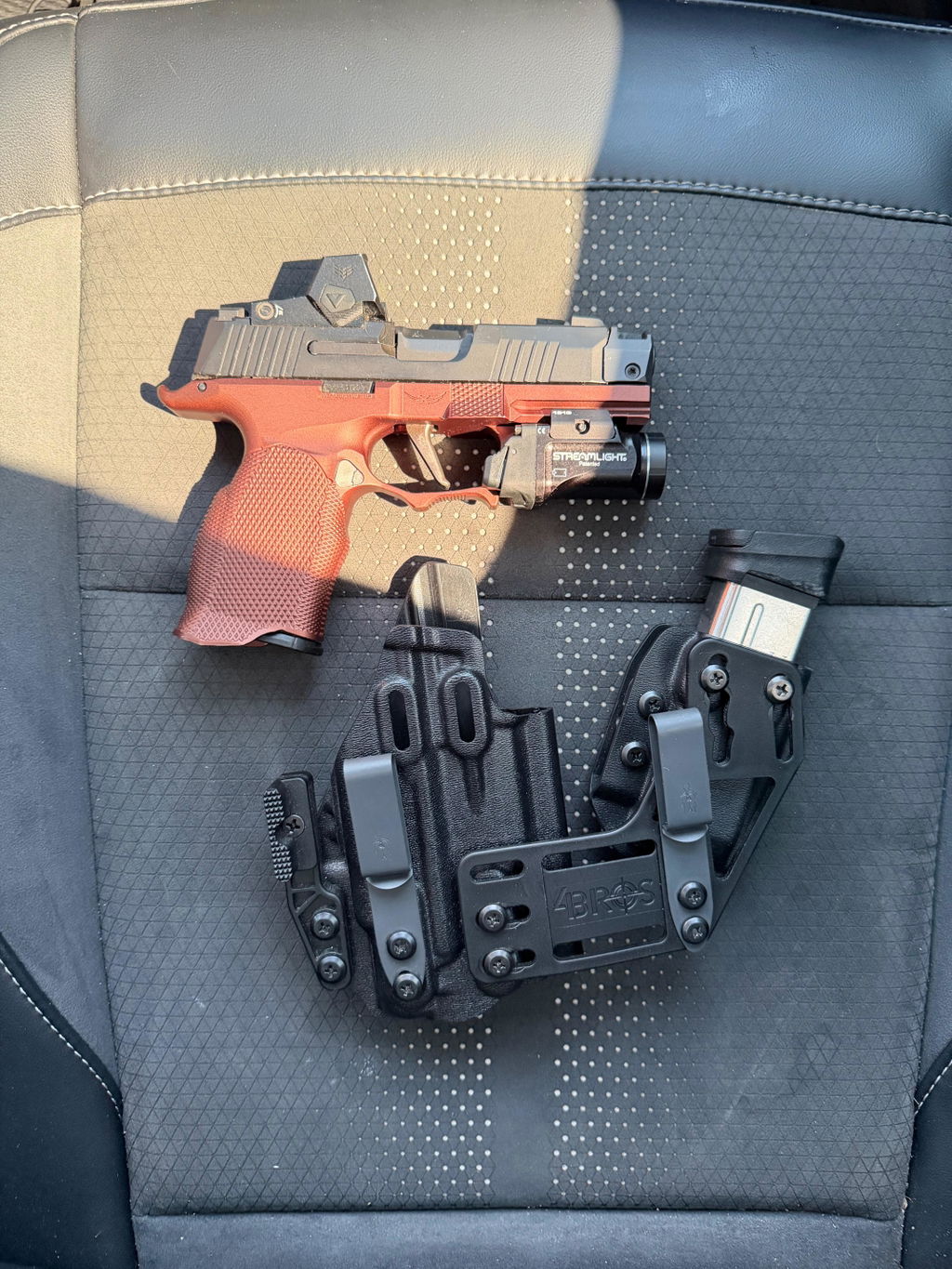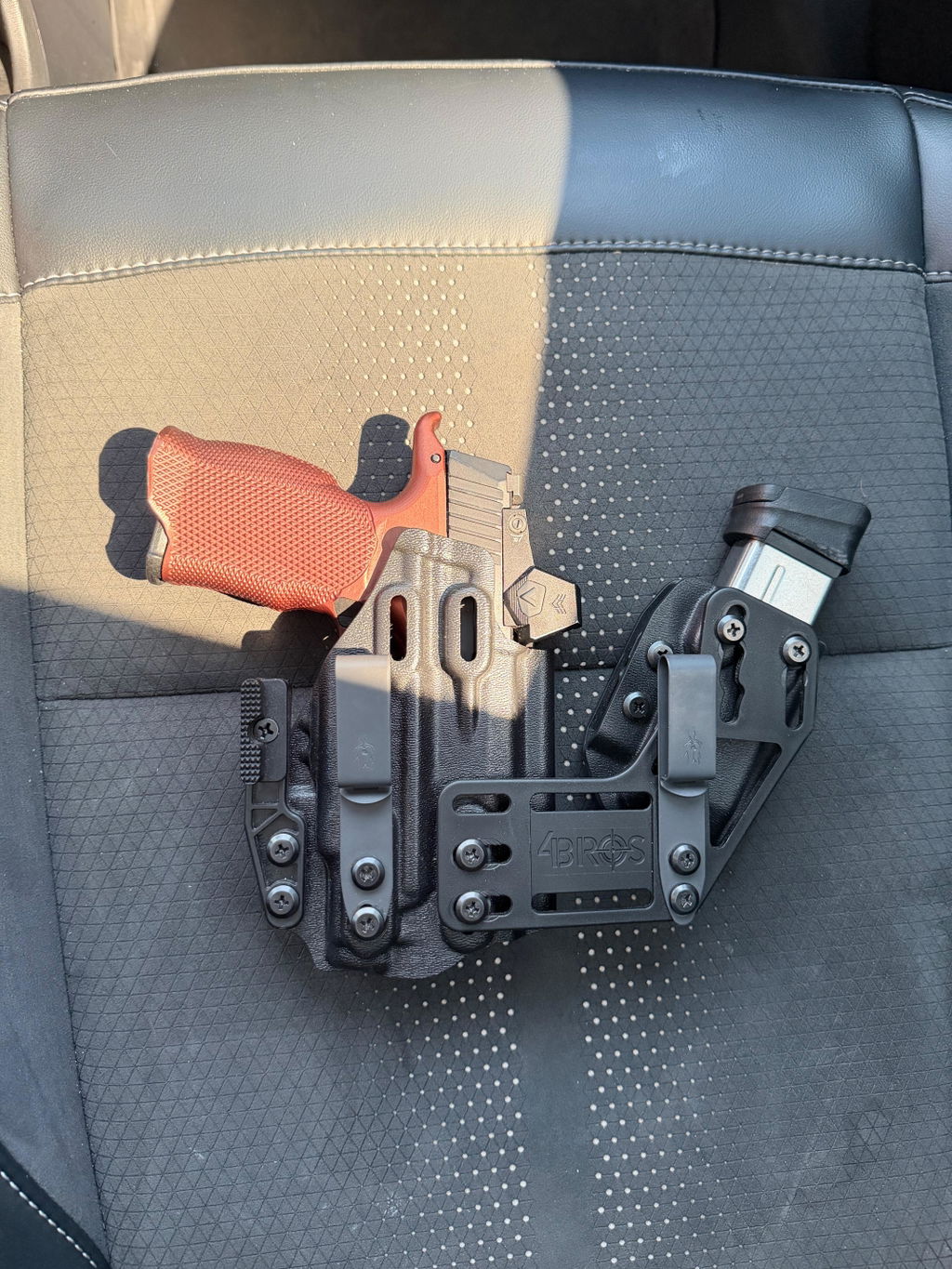

Hardware Deep Dive: Why We Include Threadlocker (And When to Use It)
Daily carry puts constant stress on your holster hardware. Movement, pressure, temperature changes, and repeated adjustments all work against one thing: keeping screws tight over time. That’s why hardware retention isn’t a minor detail.
It’s a reliability issue.
Threadlocker is one of the simplest ways to prevent avoidable hardware failures.
Why Holster Screws Loosen Over Time
Even a properly installed holster experiences micro-movement throughout the day. Sitting, standing, driving, bending, and walking all create small vibrations that can gradually back screws out.
This is especially true for:
- Adjustable retention systems
- Ride height and cant hardware
- Clip and belt attachment mounting points
Without a securing compound, screws can loosen slowly and unpredictably, often without obvious warning.

What Does Threadlocker Do?
Threadlocker is a removable compound applied to screw threads that increases resistance to vibration. Once cured, it helps keep hardware in place while still allowing future adjustments with hand tools.
Used correctly, threadlocker:
- Prevents screws from backing out during daily carry
- Maintains consistent retention and ride height
- Reduces the need for frequent hardware checks
- Extends the reliability of adjustable holster systems
You aren’t making screws permanent. You’re keeping them stable.
Why Do We Include Threadlocker?
We build holsters with adjustability in mind. Retention, cant, and ride height should be tuned to the user, not locked in at the factory.
Including threadlocker allows you to:
- Set your holster exactly how you want it
- Lock that configuration in place once finalized
- Maintain consistent performance over time
It’s a small addition that supports long-term reliability, especially for daily carry setups.
When You Should Apply Threadlocker
Threadlocker should be applied after you finish adjusting your holster.
That includes:
- Finalizing retention tension
- Setting ride height
- Choosing cant angle
- Installing your preferred belt attachments
Once your setup is dialed in, remove one screw at a time, apply a small amount of threadlocker to the threads, reinstall, and allow it to cure.
This approach keeps everything secure without sacrificing adjustability.
What Type of Threadlocker to Use
For holster hardware, a removable threadlocker is recommended. This provides enough resistance to vibration while still allowing future adjustments or part replacement if needed.
Permanent threadlockers are not appropriate for holster hardware and should not be used.

A Small Step That Prevents Big Problems
Loose hardware can lead to inconsistent retention, shifting carry position, or lost screws. Threadlocker helps prevent all of that with minimal effort.
It’s one of those details you don’t notice when it’s working correctly, but you definitely notice when it’s missing.
Built With Adjustability. Finished With Reliability.
We design our holsters to be adjustable, durable, and dependable. Including threadlocker is part of that philosophy. Once your holster is set up, locking it in place helps ensure it performs the same way every time you put it on.
Consistency matters. The details make the difference.
Use our holster finder to find the right fit today.