
How to Solve Your Most Common Appendix Carry Concerns
Share
Appendix carry gets talked about a lot, and usually for the wrong reasons.
Some people swear by it. Others avoid it completely. Most of the hesitation comes down to the same questions: Is it safe? Is it comfortable? Can you actually carry this way every day?
These appendix carry conerns are valid. But they’re also often based on outdated setups or poor gear choices.
Let’s break down what actually matters.
Is Appendix Carry Safe?
Yes, when done correctly, appendix carry is safe.
Like any carry position, safety comes down to three things: trigger protection, holster quality, and consistent handling. A properly molded Kydex holster that fully covers the trigger guard removes the biggest risk factor.
Where people run into issues is with soft holsters, poor retention, or inconsistent reholstering habits.
Appendix carry doesn’t create new safety risks. It simply makes bad habits more obvious.
If your gear and fundamentals are solid, the carry position isn’t the problem.
Why Does Appendix Carry Feel Uncomfortable?
Most discomfort isn’t caused by appendix carry itself. It’s caused by a poor setup.
Common issues include:
- Incorrect ride height
- No concealment wing or claw
- A belt that doesn’t support the weight
- A holster shape that doesn’t match your body
Appendix carry sits in a natural position for concealment, but it requires small adjustments. A few degrees of cant, a slight ride height change, or adding a wing can completely change how the setup feels.
That’s why people who dial it in tend to stick with it.
Does Body Type Affect Appendix Carry?
Yes, but not in the way people think.
Appendix carry works across body types, but it may require different positioning. Some carriers prefer slightly off-center placement. Others adjust ride height or use wedges to improve comfort.
There isn’t one “correct” position. There’s only what works for your build.
Many appendix carry concerns regarding body type come from trying a single, non-adjustable setup and assuming that’s the only option.
Can You Sit, Drive, and Move Normally?
You can, once your setup is dialed.
Appendix carry allows natural movement, but it depends on:
- Proper holster contour
- Correct ride height
- Belt tension
A setup that’s too high or too rigid will dig when sitting. A properly adjusted setup will move with you.
This is where quality matters. Holsters designed for real-world carry take movement into account, not just the standing position.
Appendix Carry vs Strong Side: Which Is Better?
It depends on your priorities.
Appendix carry typically offers:
- Faster access from a natural hand position
- Better concealment from the front
- Easier protection of the firearm in close contact
Strong side carry can feel more familiar and may require less adjustment upfront.
Neither is universally better. But appendix carry tends to win for concealment and access once the setup is correct.
What Gear Actually Makes a Difference?
Not all holsters are built the same.
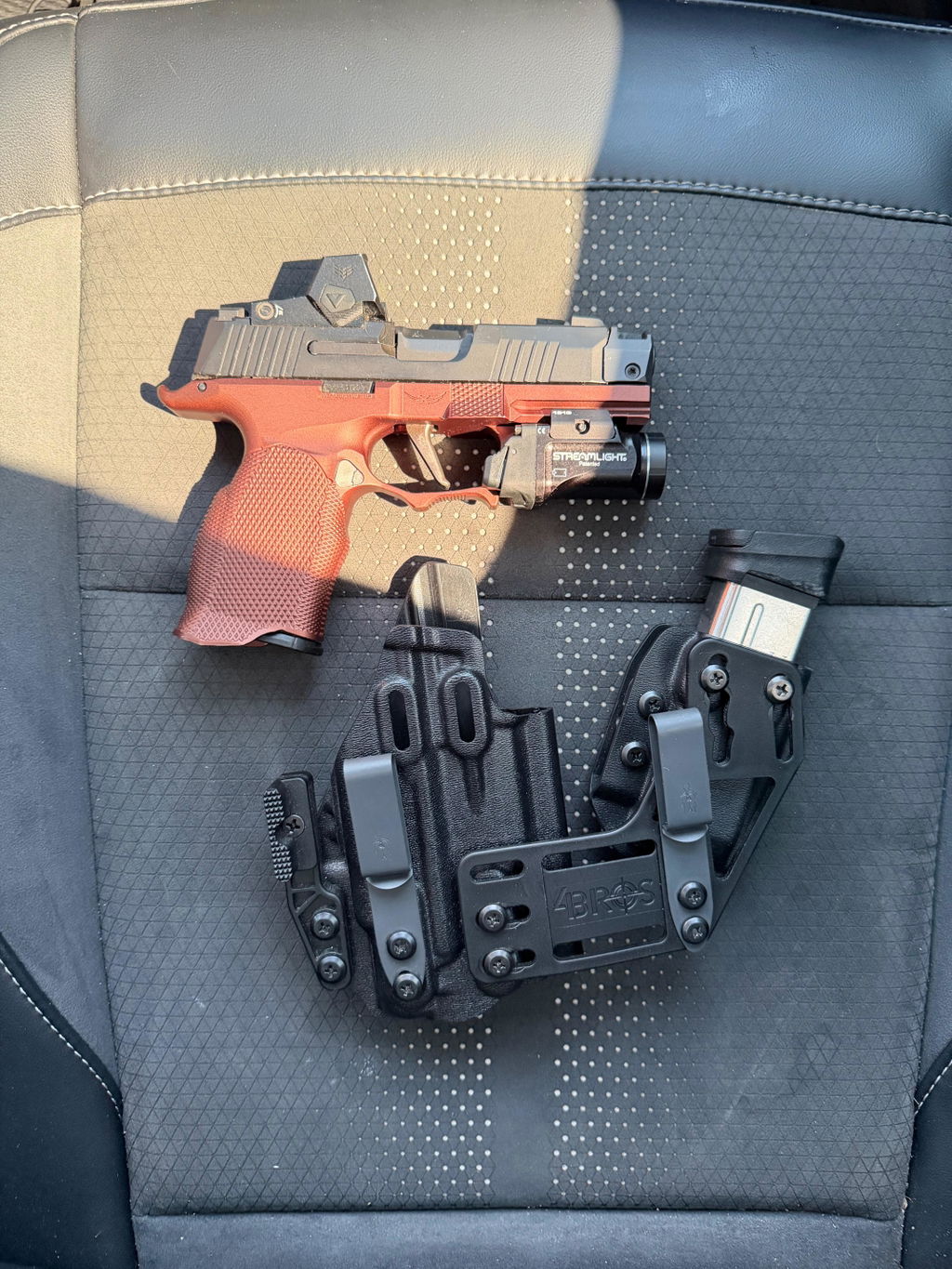
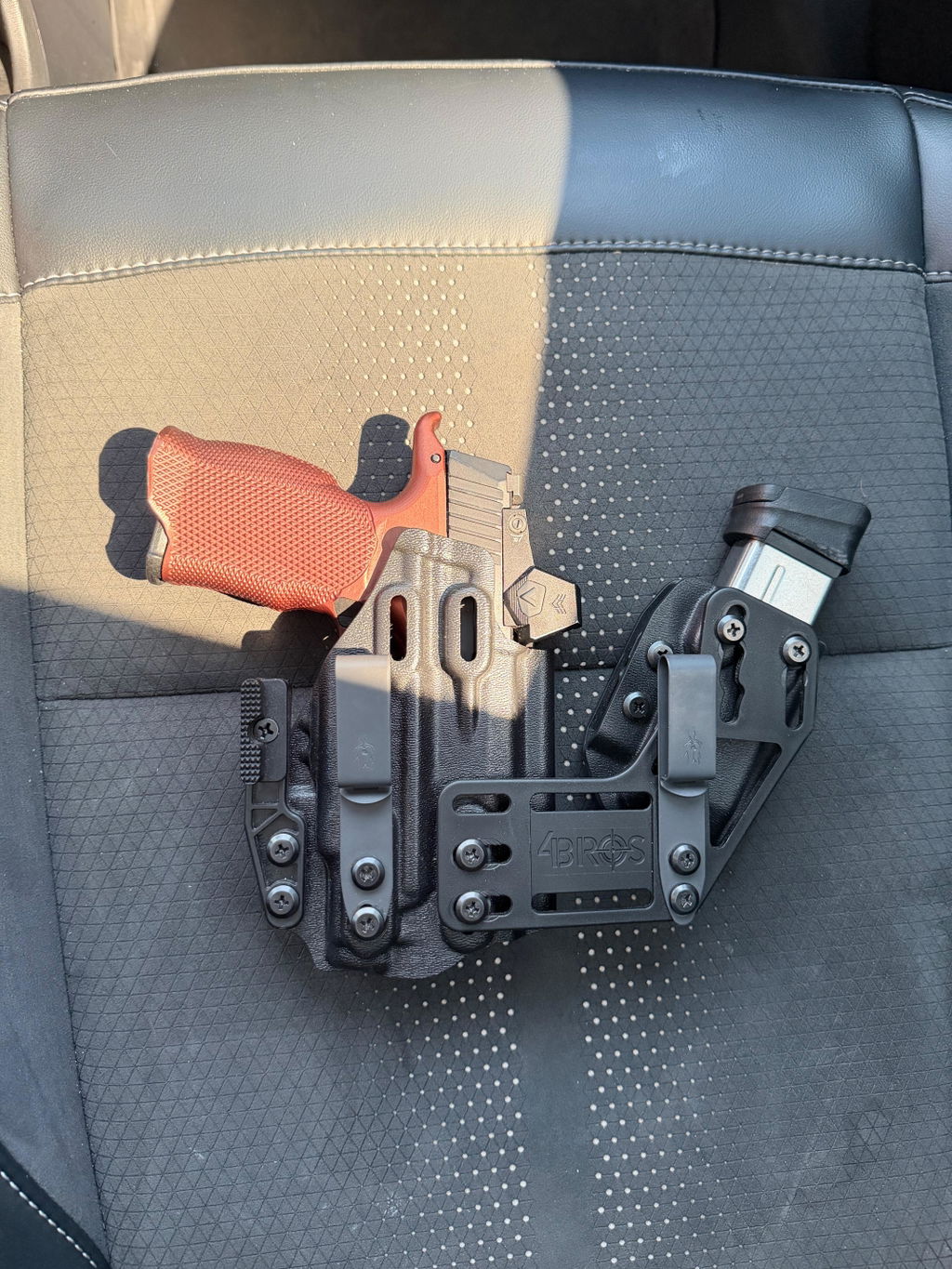
A good appendix setup should include:
- Rigid Kydex construction
- Full trigger guard coverage
- Adjustable retention and ride height
- A wing or claw for concealment
- A stable, quality belt
Our holsters are built with these details in mind, from precise fitment to hardware that holds up under daily use. Small details like proper screw length and secure mounting make a noticeable difference over time.
That’s the difference between something you try once and something you actually carry every day.
Why Do Some People Still Avoid Appendix Carry?
Most people who avoid it had a bad first experience.
Usually, that comes down to:
- The wrong holster
- No adjustability
- Poor belt support
- Trying to carry too large of a setup without the right configuration
Appendix carry isn’t unforgiving. It just exposes weak setups faster than other positions.
How Do You Get Appendix Carry Right?
Start simple and adjust from there.
Focus on:
- A holster designed specifically for appendix carry
- Proper belt support
- Small incremental adjustments to ride height and position
Don’t expect it to feel perfect immediately. The goal is to refine the setup until it becomes part of your daily routine. When it’s right, you stop thinking about it.
Is Appendix Carry Worth It?
Appendix carry isn’t inherently uncomfortable or unsafe. Most concerns come from poor setups, not the carry position itself. With the right gear and a few adjustments, it becomes one of the most practical and consistent ways to carry.
If you’re evaluating appendix carry, focus less on the debate and more on the setup. That’s where the real difference is.
Appendix Carry FAQs
What Is an Appendix Holster With a Mag Carrier?
An appendix holster with a mag carrier, often called a sidecar holster, combines your firearm and a spare magazine into one IWB setup. This keeps everything in one position for faster access and more consistent reloads.
It also reduces the need to carry gear in multiple locations, which can simplify your setup and improve consistency.
Is Appendix Carry Comfortable for Bigger Builds?
Yes, but it depends on the holster design.
Standard appendix holsters are often built around slimmer body types. That’s where issues like pressure points, printing, and discomfort show up.
Holsters designed specifically for larger builds adjust geometry, ride height, and spacing to improve comfort and balance. When those factors are addressed, appendix carry becomes much more practical.
Does a Sidecar Holster Work if You Have a Stomach?
It can, but not all designs work the same.
Traditional sidecar holsters can create pressure if the magazine and firearm sit too rigidly together. A better design balances the two and allows slight movement, reducing hot spots when sitting or bending.
That balance is what makes the difference between something you tolerate and something you actually carry every day.
Can You Conceal Carry a Full-Size Pistol With Appendix Carry?
Yes. Many people successfully carry full-size pistols in the appendix position.
The key factors are:
- Proper ride height
- Grip rotation (often with a wing or claw)
- Belt support
With the right setup, appendix carry can actually conceal larger firearms better than strong-side carry because it reduces side printing.
What Makes a Good Appendix Carry Holster Setup?
A reliable appendix carry setup focuses on consistency and adjustability.
Look for:
- Precise firearm fitment
- Adjustable retention
- Ride height and cant adjustments
- Compatibility with lights and optics, if needed
Holsters designed for real-world carry also account for movement, seated positions, and daily wear, not just standing comfort.
Find Your Appendix Carry Setup That Actually Works
Most appendix carry concerns aren’t a reflection of the carry position itself, but a sign that your current gear isn't doing its job. A good setup changes everything by moving with your body rather than fighting it. If you’re ready to move past the hesitation and find a setup built for real-world movement and all-day comfort, our holsters are designed to handle those details for you.