


Situational Awareness Habits That Could Save Your Life
You spend time choosing the right gun, the right holster, the right light. You dry fire, run drills, and work on your draw. All of that matters. But when it comes to staying ahead of trouble, your most important defensive tool rides between your ears, not on your belt.
Situational awareness means you’re living switched on instead of checked out, so you see problems early and give yourself options. That mindset belongs to anyone who carries a gun, carries a badge, or just wants to get their people home in one piece.
This is how we think about situational awareness at 4Bros, and some practical ways to build it into your daily routine.

Your Brain Is Your Primary Piece Of Gear
Every piece of gear you carry depends on one thing: your ability to notice what is happening, make sense of it, and choose a response. If your head is buried in your phone or lost in your thoughts, even the best gun and holster will not save you from a problem you never saw coming.
Think of awareness as a simple three-part loop you repeat all day:
- Notice: Take in what is happening around you with your eyes, ears, and instincts.
- Interpret: Decide whether anything you see or hear is normal, out of place, or potentially dangerous.
- Act: Make a small adjustment if needed: move, reposition, leave, or prepare to respond.
You do not need to stand in every doorway, scanning as if you are on patrol. What you want is a quiet, steady level of attention that lets you enjoy your life while still catching the important details.

Choosing Your “Readiness Level”
Your awareness level does not have to be the same all day. Walking your dog in a quiet neighborhood at noon is not the same as filling up at a sketchy gas station at midnight.
When things are calm and familiar, you can sit in a relaxed baseline where you are aware but comfortable. As soon as something changes (a loud argument, a group moving toward you, a vehicle pacing you in a parking lot), you dial that awareness up and start making decisions.
The key is to control that dial on purpose instead of letting the world do it for you.
7 Everyday Habits That Build Situational Awareness
You do not need a tactical course to start getting better at this. Most of the work is done with small, repeatable habits.
1. Choose Smart Seating In Restaurants
Any time you sit down in public, take three seconds to choose your seat instead of just falling into the nearest chair.
If you can, sit with your back to a solid wall or barrier so you are not surprised from behind. From that position, you should be able to see the main entrance, at least one secondary exit, and most of the room.
If you are with family or friends, let them sit where they are comfortable, and you take the seat that gives you the best view. That puts you in the right spot to see trouble early, move people if needed, and control your own draw stroke if things ever go bad.
You are not trying to “own the room.” You are just positioning yourself so you are not the last person to know something is happening.
2. Walk “Street Side” To Shield The Vulnerable
When you are walking on a sidewalk with kids, loved ones, or any person who is injured or moves more slowly than you, position yourself on the outside, closest to the street.
This does a few things at once:
- Puts you between them and vehicles that might drift or jump a curb.
- Gives you the first chance to react to someone approaching from the street side.
- Makes it easier to steer the people you are protecting toward a doorway, wall, or parked car if you need quick cover.
- You do not have to announce what you are doing. Just quietly move to the outside and keep the people you care about on the inside, away from traffic and closer to safety.
3. Make Parking Lots A Priority
Parking lots and gas stations are where a lot of bad situations start. People are distracted, thinking about their next stop, digging for keys, or looking for their phone.
Build a few habits here:
- Before you pull into a parking spot, take a quick look around. Anything strange about the vehicles or people nearby? It’s always better to stay cautious, even if you feel silly.
- Before you open your door, pause and scan the front, back, and both sides.
- When you return to your vehicle, walk with your head up and your eyes moving. Look under and between vehicles as you approach.
- If you have your kids with you, stay vigilant as you load and buckle them inside.
- Lock your doors as soon as you step inside your vehicle.
If something feels wrong (a van parked too close, someone sitting in a car watching you, a group loitering near your vehicle), trust that feeling. Keep moving, turn around, or head back into the store.
These checks take seconds, but they buy you time if someone is looking for an easy victim.

4. Control Your Phone, Not The Other Way Around
Your phone is one of the biggest threats to your awareness. When you drop your eyes to that screen, your world shrinks to a few inches.
Set some simple rules for yourself:
- No scrolling while walking through parking lots or crossing streets.
- If you need to check a message, stop, put your back to a wall or solid object, look around, then look down.
- If you are in a higher-risk area, keep at least one ear open instead of sealing the world off with earbuds.
The goal is not to give up your phone. It is to make sure it never steals your attention at the worst possible moment.

5. Read People, Not Just Places
Situational awareness is about behavior. Get used to quickly reading the people around you:
- Who looks relaxed and normal for the setting?
- Who seems nervous, angry, or out of place?
- Is anyone paying too much attention to you, your vehicle, or your family?
One simple rule some instructors use is the “rule of three.” If you cross paths with the same person or vehicle three separate times in a short window, pay attention. It might be nothing, or it might be someone moving with you on purpose.
You do not need to stare at people or make them uncomfortable. Just let your eyes move, notice patterns, and listen if your gut tells you something is off.
6. Always Know Where Your Cover Is
Every time you step into a new space, take a quick mental snapshot of what could hide you and what could stop bullets.
- Cover is anything sturdy enough to protect you, like concrete walls, large pillars, vehicles, heavy furniture, or solid landscaping.
- Concealment is anything that hides you but will not stop incoming fire, like thin doors, curtains, drywall, or decorative panels.
In a bad situation, people naturally reach for concealment because it feels safe. Knowing where real cover is ahead of time helps you move to the best position without wasting precious seconds.
Make it a quiet habit: when you walk into a restaurant, gas station, or store, identify the closest exits and at least one piece of true cover.
7. Run “What If” Scenarios In Your Head
You cannot rehearse every possible situation. You can rehearse how you think.
When you have a few quiet seconds in line at the store, waiting at a red light, sitting in the parking lot before you walk in, pick something you see and run a quick mental drill:
- If that loud argument turns into a fight, where do I move first?
- If someone rushes the entrance, what do I do with my kids?
- If I see a weapon come out, where is my nearest cover, and what is my next move?
You are not trying to script a movie. You are simply training your brain to move from “frozen” to “deciding” faster. When something real happens, your mind will already be used to looking for options.

Trust Your Gut And Give Yourself Permission To Leave
One of the biggest parts of awareness is giving yourself permission to act early, even if it feels socially awkward.
- If a gas station feels wrong, pick another one.
- If someone keeps circling your aisle at the store, change locations or leave.
- If a restaurant crowd is getting loud and aggressive, ask for the check and move on.
You do not owe strangers an explanation for protecting yourself and your family. Your goal is to avoid problems, not win arguments about whether something was really a threat.
Train Your Mind The Way You Train With Your Gear
Most people understand that you need reps with your firearm, holster, light, and medical gear. You practice draws, reloads, and movement so that your body knows what to do under stress.
Treat situational awareness the same way:
- Pick one habit from this list and focus on it for a week.
- Once it feels natural, add another.
- Check in with yourself after trips out in public. What did you notice? What did you miss?
Over time, these habits stack. You will find that you are calmer, more confident, and harder to surprise. You will also enjoy your life more, because you know you are paying attention to the right things.
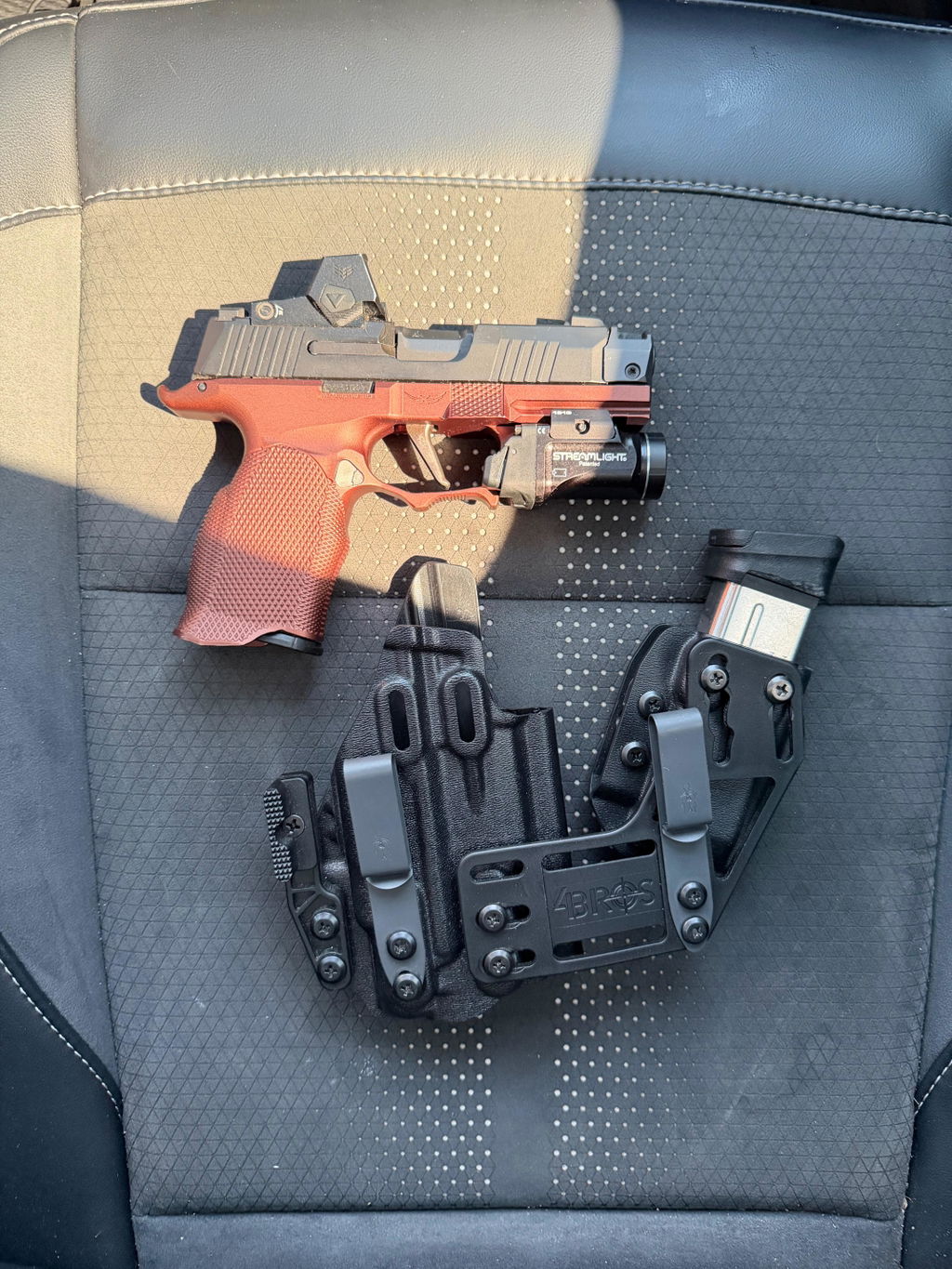
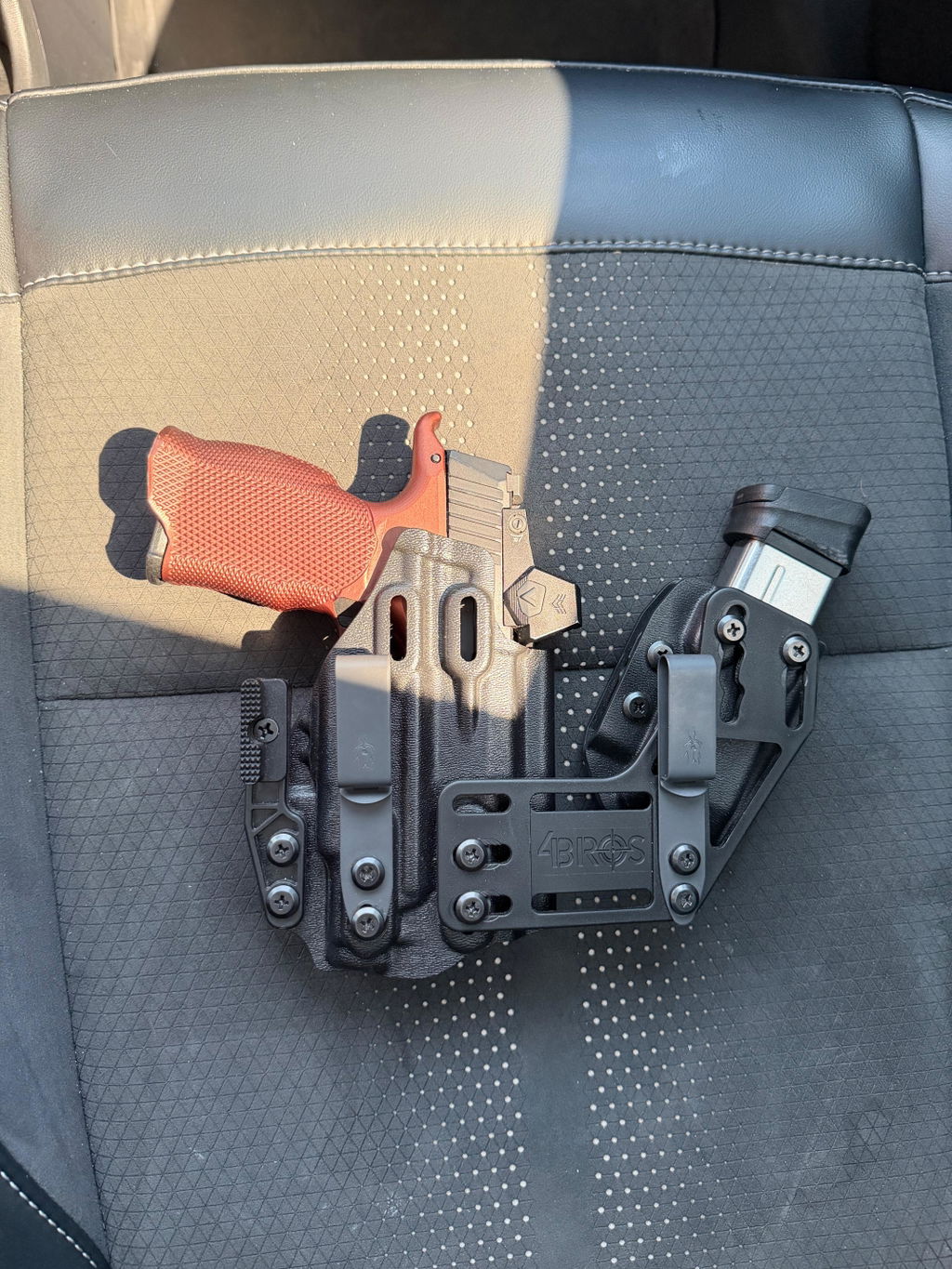
At 4Bros, we build American-made holsters and gear for people who take responsibility seriously: law enforcement, military, instructors, and everyday carriers who want to be ready for the worst day while still living fully on the good ones.
Carry good gear. Carry it correctly. But above all, carry a mindset that keeps you ahead of trouble, not behind it.
Stay aware, stay prepared, and we will see you on the range.
Use our Holster Finder to locate your exact fit or contact our team with questions about compatibility.
3 comments
Where possible, practice pull through, or combat parking. Pull through an open space to the adjoining empty space ahead and park so your vehicle faces out. You can drive away more quickly without needing to back out. Easier to leave fast if a situation develops.
Great write-up. Awareness is definitely key…
Thanks!
Thank you for this article. Very informative. Makes one think.