Concealed Carry Clothing Mistakes That Slow Your Draw
Blog TeamShare
When you carry concealed, speed and consistency matter. The wrong shirt, belt, or jacket can cost you precious seconds when it counts most.
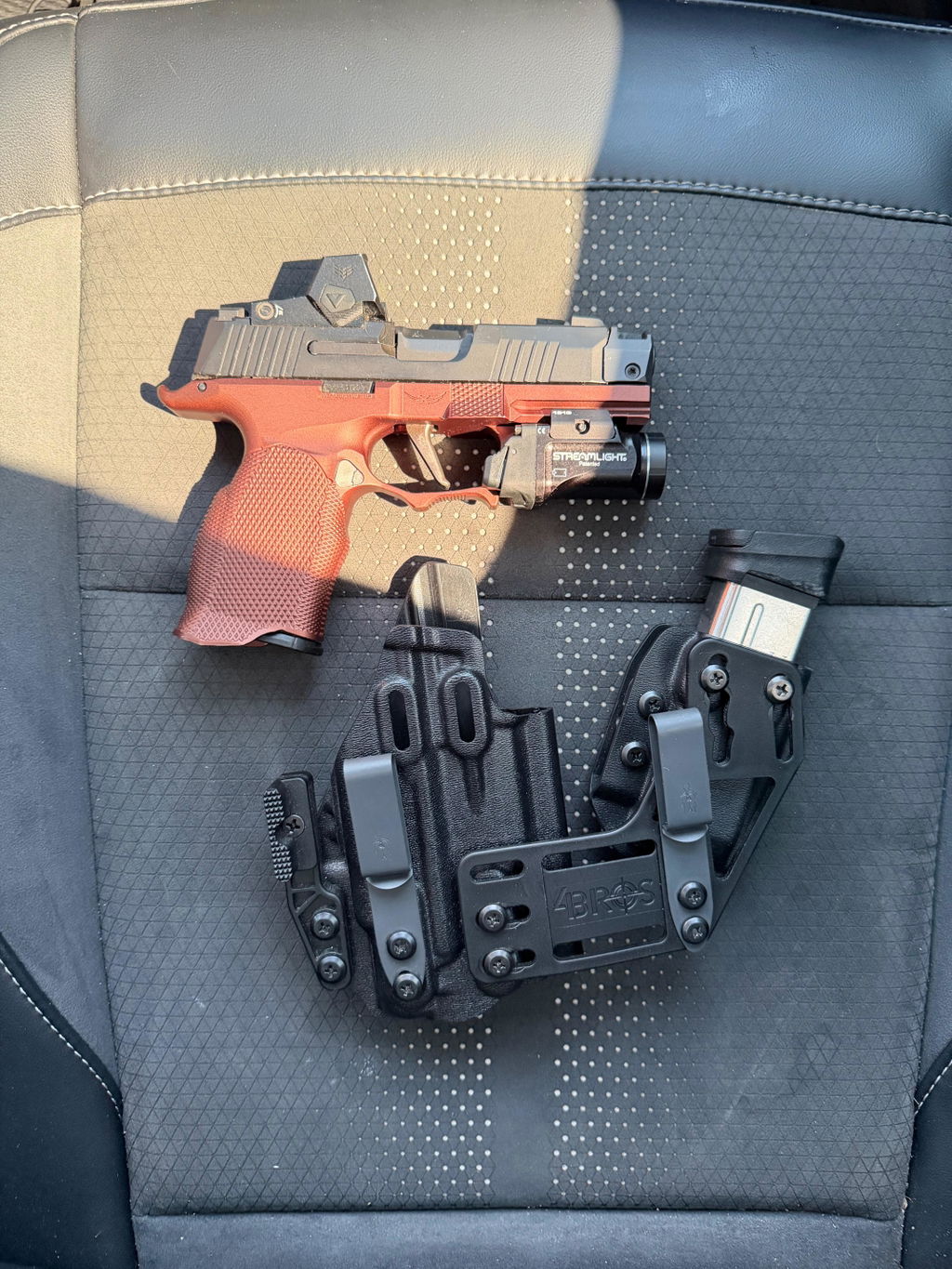
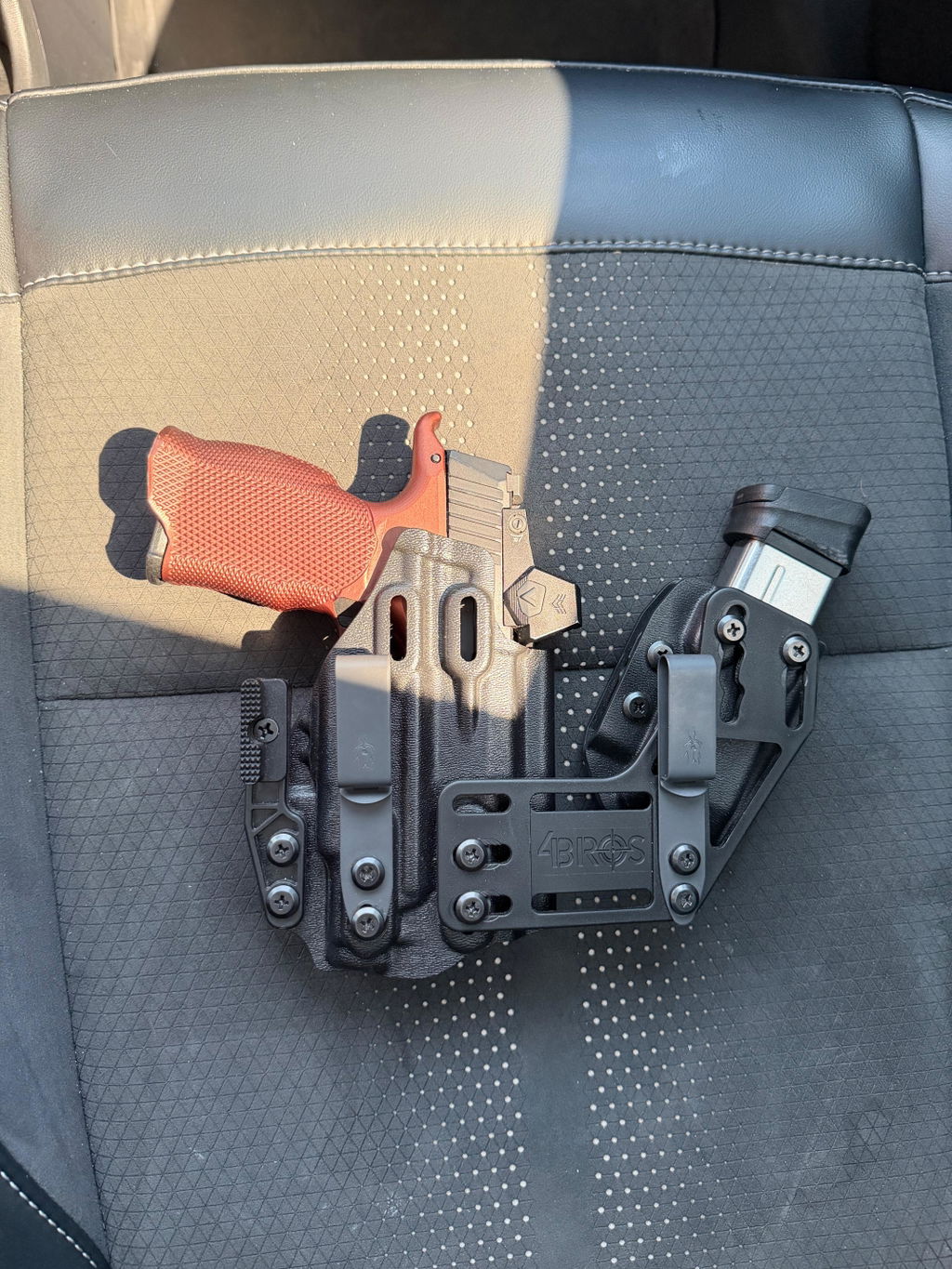
At 4Bros, we build holsters that perform under pressure, but the rest of your gear matters just as much.
Here are the most common concealed carry clothing mistakes that slow your draw (and how to fix them).
1. Wearing Shirts That Grab or Collapse Over Your Grip
Light, stretchy fabrics may feel comfortable, but they can cling to your pistol and cover your grip when you reach to draw. Button-downs that hang too long can also catch on the muzzle or clip.
Choose shirts that drape loosely without sticking. A slightly stiffer hem (like a flannel, polo, or thicker cotton tee) creates a natural break line and faster clearance when lifting your cover garment.
2. Choosing Fashion Over Function
Slim-fit jeans and soft waistbands might look great, but they don’t support the weight of a firearm. Without structure, your holster shifts and angles unpredictably, throwing off your muscle memory.
Invest in a proper gun belt. A reinforced belt keeps your holster stable and prevents sag, even with a light or spare mag attached. Remember that your belt is part of your holster system, not an afterthought.
3. Layering Too Much
That heavy hoodie, jacket, and undershirt combo can hide your firearm perfectly, but it also creates three barriers to clear under stress. The thicker the layers, the more motion you need to access your grip.
Keep layers minimal when you can. Use lighter outerwear or half-zip pullovers that clear in a single motion. When heavier layers are necessary, practice your draw with the same clothing you actually wear outdoors.
4. Ignoring Seasonal Changes
Summer carry is a different world from winter. Shorts and light tees make concealment trickier, while cold weather adds zippers, gloves, and bulk. Failing to adapt leads to awkward draws and exposed printing.
Build seasonal carry setups. Have one holster and belt system for light clothing and another for bulkier gear. Practice transitions every time the season changes.
5. Skipping Dry-Fire Practice With Your Actual Wardrobe
It’s easy to practice draws in gym shorts or range gear, but that’s not what you wear day-to-day. Every fabric reacts differently when lifted, and every shirt tail hangs a little longer.
Run dry-fire draw drills at home with the clothes you actually wear in public. Clear your firearm, unload completely, and rehearse clearing your garment, finding your grip, and re-holstering safely.
6. Forgetting About Holster Fit and Cant
Even perfect clothing won’t fix a holster that sits wrong. If your holster’s cant doesn’t match your waistline or body type, your grip angle will change every time you draw.
Adjust your ride height and cant until your draw path feels natural and repeatable. Every 4Bros holster offers user-adjustable retention and positioning, because fit isn’t one-size-fits-all.
Dress for the Draw
Concealed carry is just as much about what you carry as it is how you carry. The right clothing setup can shave seconds off your draw and keep you consistent under stress.
At 4Bros, we build holsters that work with you, not against you. Pair yours with dependable clothing, a solid belt, and regular training, and your draw will stay fast, clean, and reliable every time.