
Is Your Firearm the Last Line of Defense or the Only One? The Missing Piece of Firearm Safety
Most concealed carriers invest serious time in their gear and their range work. They research holsters, dial in their draw, and run drills until the mechanics are automatic. That preparation is important. But there's a layer of personal protection that almost nobody talks about, and it sits upstream of all of it.
Avoiding the dangerous situation entirely.
Your firearm is the last line of defense. Every decision you make before reaching for it determines whether you ever need to. That means situational awareness, conflict avoidance, and the daily habits that keep you out of bad spots are carrying more of your personal protection than your holster is.
This guide breaks it all down practically, so you can build these habits starting today.

Is Range Training Enough for Real Self-Defense?
Range time and gear selection are concrete. You can measure a group at 15 yards. You can feel the difference between a well-fitted Kydex holster and a cheap one. Situational awareness is harder to practice and harder to quantify, so it gets pushed to the bottom of the training list.
The other issue is mindset. Many new carriers see their firearm as the solution to a dangerous situation. That frame puts you in a reactive posture. A better frame is thinking about your firearm as the backup to a set of habits that make dangerous situations rare in the first place.
The truth is that there's a fairly large probability that if you end up pulling your firearm, you'll either be shot, stabbed, or seriously injured. Force-on-force training confirms this quickly. Even when you successfully stop a threat, you then face police contact, statements, possible detention, and legal proceedings that can be costly and stressful, even if you did everything right.
The best outcome is the one where none of that happens.
Is Situational Awareness Different for Concealed Carriers?
Situational awareness is the ability to perceive what's happening around you, understand what it means, and anticipate what's likely to happen next. For concealed carriers, it's the skill that lets you spot a problem while you still have time and space to avoid it.
Jeff Cooper's Color Code system breaks awareness into four conditions.
- Condition White is complete unawareness of your surroundings.
- Condition Yellow is relaxed alertness, where you're observant and notice things that seem out of the ordinary.
- Condition Orange means you've recognized a specific potential threat.
- Condition Red means the threat is immediate and demands action.
The goal for any carrier is to spend the majority of its time in Condition Yellow and essentially zero time in Condition White. That single shift, consistently keeping your head up and reading the room, is where most of your personal protection lives.
Being situationally aware helps you anticipate risks and make effective decisions. If you pay attention, you can notice warning signs long before a threat arises. Even if your alertness only gains you a few extra seconds in which to react, those seconds could mean the difference in surviving a defensive incident.

What Is Conflict Avoidance, and How Is It Different?
Situational awareness tells you what's developing. Conflict avoidance is what you do with that information.
Active avoidance of conflict is not merely a passive stance. It's a proactive commitment to self-preservation. The goal isn't merely survival but prevailing with confidence and integrity.
In practical terms, conflict avoidance looks like this:
- Leaving before it escalates
- Not engaging with road rage
- Letting the ego sit this one out
- Creating distance when tension rises
- Not announcing that you carry

Does Carrying a Firearm Change How You Should Act in Public?
Yes, and in a direction most people don't expect.
Carrying should make you more measured, not less. The stakes attached to any confrontation increase when you're armed. An argument that might otherwise end with hurt feelings has a different potential trajectory when a firearm is involved. That reality should pull you away from conflict, not toward it.
Any use of force, even justified self-defense, will likely result in legal scrutiny. Avoiding conflict reduces the chance of facing criminal charges, civil lawsuits, or the loss of your firearm rights.
The legal framework matters here, too. There are currently 38 states with stand-your-ground laws, meaning you have the right to defend yourself with deadly force if it's reasonable to believe your life is in danger. There are 12 states with duty-to-retreat laws, meaning you're required to attempt to remove yourself from the threat before using force if you can do so safely. Knowing which applies in your state, and in any state you travel to, is part of carrying responsibly.
But regardless of what the law permits, the practical point stands: escaping is always better than engaging.

What Does a Real Conflict Avoidance Plan Look Like?
Theory doesn't keep you safe. Here's how to build habits that do.
At home:
- Know your neighborhood's patterns. Who belongs there, what's normal traffic, and what times tend to be higher risk.
- Have a plan for answering the door at night. You shouldn't be answering it unarmed and half-asleep.
- If you hear something suspicious outside, don't go investigate. Call it in.
In your vehicle:
- Stay off your phone at red lights. You're stationary, visible, and briefly vulnerable.
- Keep doors locked as a default, not just in "bad areas."
- If you think you're being followed, drive to a police station or a well-lit, populated area. Don't drive home.
- If you're stuck in traffic and something seems to be developing, planning a basic escape route ahead of time, or simply taking a detour, can take you out of a possible confrontation entirely.
On foot:
- Move with purpose. People who walk like they know where they're going are less likely to be targeted.
- Avoid poorly lit parking structures and side streets when alternatives exist, especially at night.
- In unfamiliar areas, a quick five-second scan of the block before committing to a direction costs nothing.
In any public space:
- Enter with your head up.
- Note who's near the entrance and who's watching the door.
- If something feels off when you walk in, trust it. You don't owe anyone an explanation for leaving.

How Do You Know When Avoidance Is No Longer an Option?
There's a clear threshold. If avoidance and escape aren't possible, be prepared to respond with the right level of force. That might mean using verbal commands, calling for help, or, if legally and morally justified, using your firearm as a last resort.
The standard is straightforward, even if the moment is not: you've tried to leave, you can't leave, the threat is credible and immediate, and you have reasonable fear for your life or the lives of others. That's the threshold. Everything before it is avoidance work.
Adopting a mindset that prioritizes thoughtful response over impulsive reaction is crucial. When faced with a potential threat, taking a moment to assess the situation before acting can significantly affect the outcome.
How Does Your Gear Support Your Situational Awareness?
When your holster fits right, retains securely, and doesn't require constant adjustment, you stop thinking about it. That freed-up mental bandwidth goes where it belongs: reading the room, tracking exits, staying in Condition Yellow.
A holster you're fidgeting with in public, readjusting because it's printing, or uncomfortable enough to distract you from your surroundings, is working against your personal protection system, not with it.
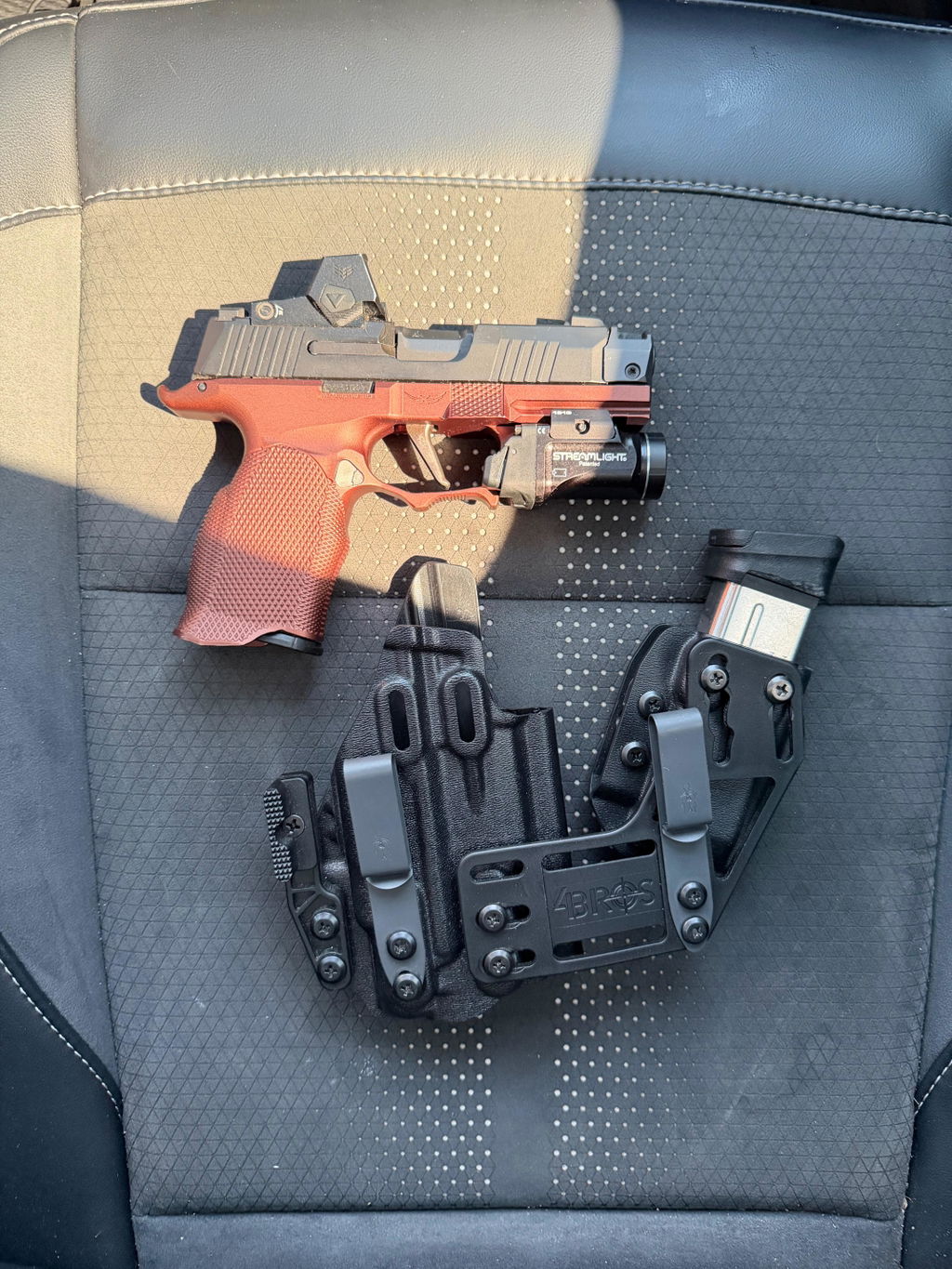
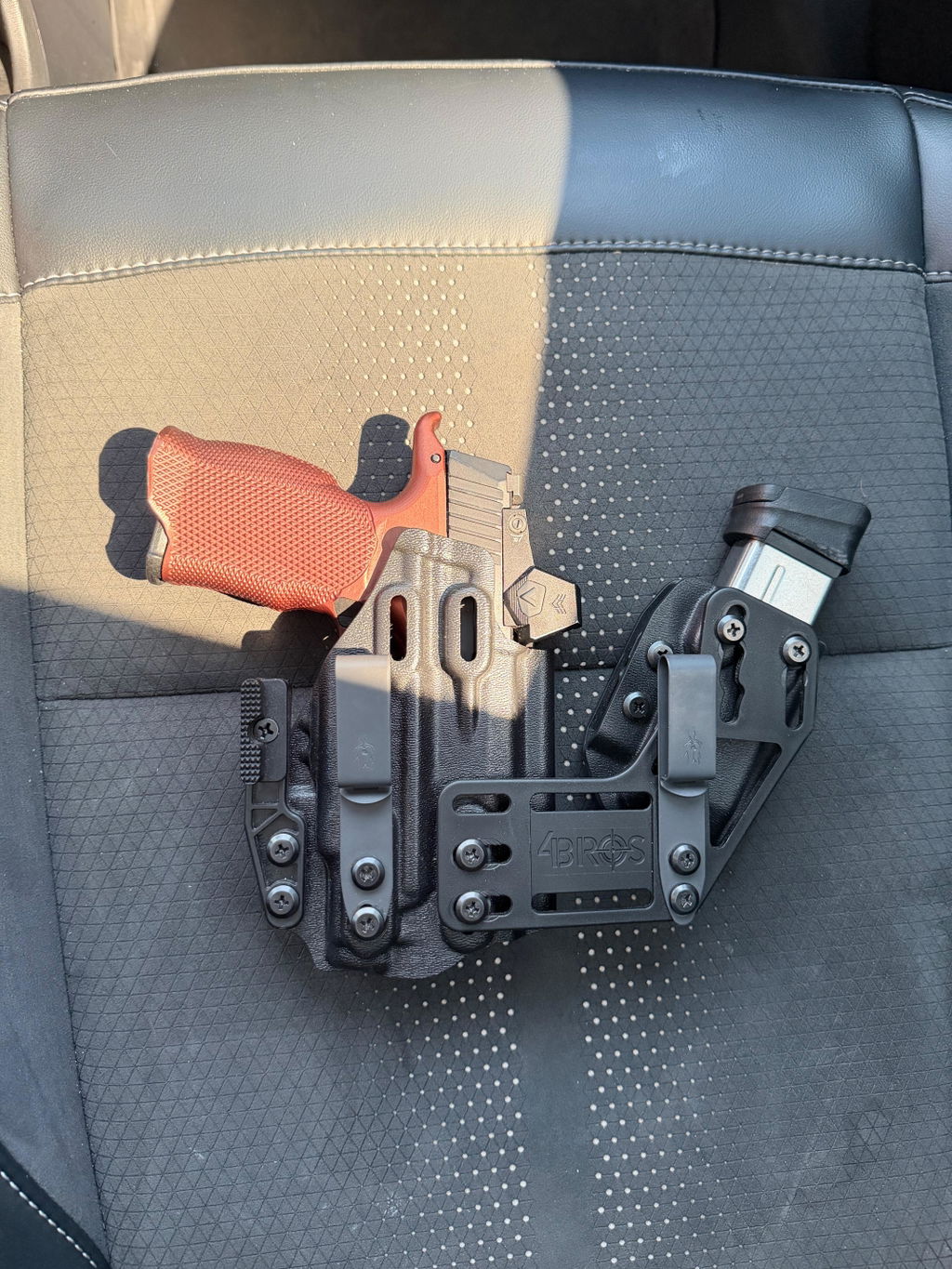
4Bros holsters feature reinforced construction, precise fitment to your specific firearm and light combo, and hardware that stays put. Find yours today.